Environmental Education Laboratory and Mountain Arboretum at Lake Arpi

Since 2009, the Miassine Foundation has been consistently contributing to local development in Armenia through ecotourism, agritourism, and educational initiatives that empower rural communities. Along our path, numerous key projects have been accomplished: creating rural guesthouses, organizing an international conference on rural tourism under the auspices of the United Nations, integrating displaced persons from Artsakh and war veterans into village life, and implementing a cross-country skiing program that enabled over 300 children in the Shirak region to discover winter sports and healthy lifestyles.
Today, we proudly present our latest successful initiative: the establishment of an Environmental Education Laboratory and Mountain Arboretum in the Lake Arpi region.
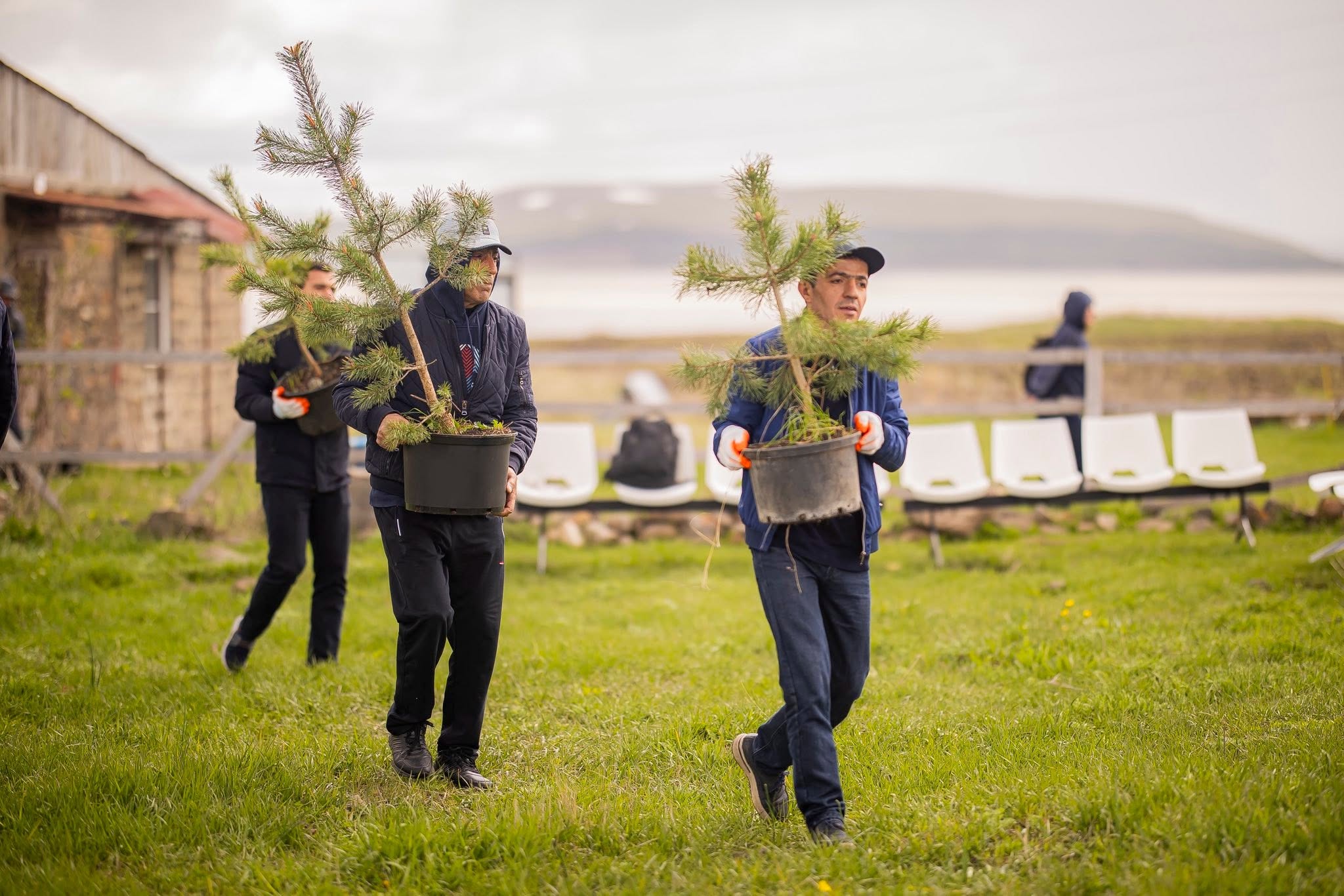
Combining Nature and Community Resilience
The Lake Arpi region, situated at an altitude of 2,000 meters near Armenia’s northern border with Georgia and Turkey, holds exceptional ecological significance. At the same time, it faces severe environmental and social challenges, including soil degradation, deforestation, loss of biodiversity, and youth migration.
To address these challenges, we initiated a comprehensive program combining community-driven reforestation, the creation of a Mountain Arboretum with medicinal and alpine plants, and the integration of environmental education into school and vocational college curricula.
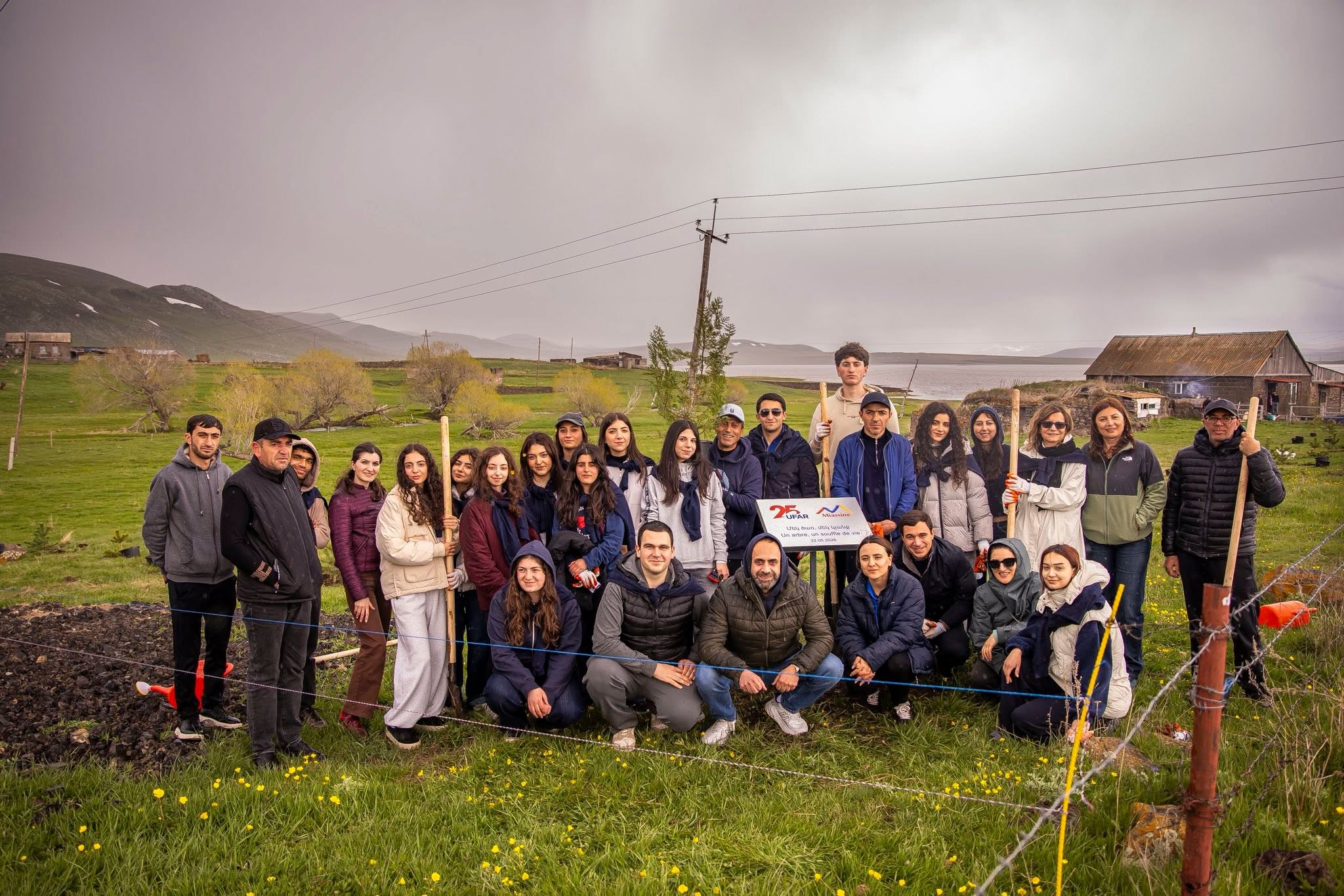
Achievements and Implemented Actions
Key steps have already been successfully taken under the project to transform the green future of the region:
Reforestation and Planting: A significant portion of the trees has already been successfully planted; climate-adapted native species suitable for high-altitude conditions have been restored on degraded land.
Establishment of the Mountain Arboretum: A pedagogical and ecological Mountain Arboretum and medicinal plant garden has been established, serving as a hub for conservation, education, and ecotourism.
Educational Programs for Students: Over 600 pupils and students from 30 schools and vocational colleges engaged in hands-on environmental workshops, guided visits, and training programs in green professions.
Empowering Women and Youth: Around 200 rural women and young people gained practical skills in circular economy practices, recycling, and ecotourism management, becoming active leaders for sustainable development in their communities.
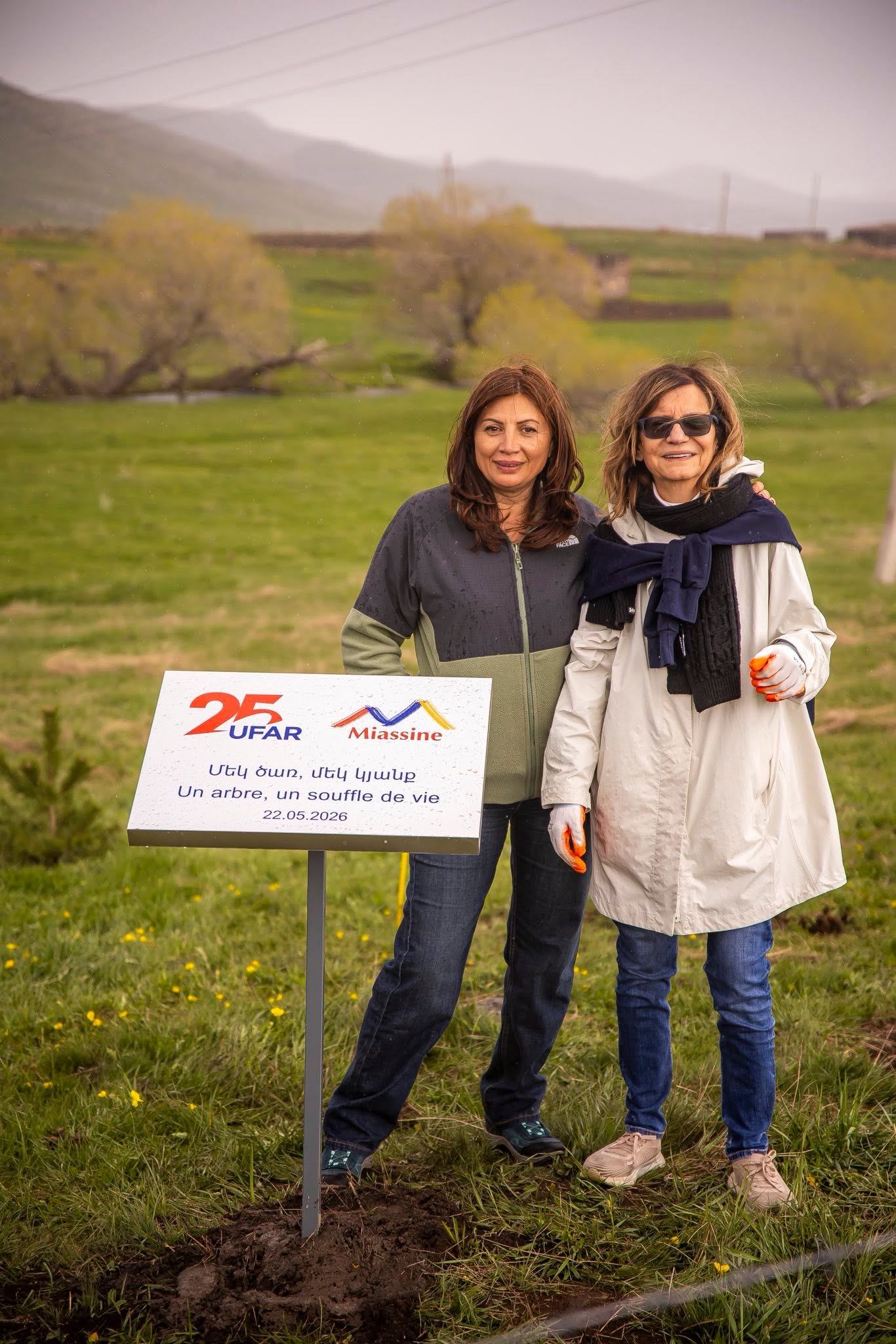
Collaboration and Institutional Sustainability
The key to the success of this project lies in close collaboration between scientific institutions, public authorities, and local communities. The program is implemented through the joint efforts of the Miassine Foundation, Lake Arpi National Park, MyForest Armenia, the French University in Armenia (UFAR), Shirak State University, and the Institute of Botany of the National Academy of Sciences of Armenia.
This environmental education laboratory established on the shores of Lake Arpi not only restores a fragile ecosystem, but also lays the groundwork for sustainable ecotourism development in Armenia—offering local residents new economic opportunities and incentives to remain in their homeland.